|
Ryan Patterson
Professor of Physics
|
|
|

The discovery that neutrinos have mass and non-trivial flavor mixing has brought about new questions in particle physics, astrophysics, and cosmology. Why does the neutrino mixing look so different from quark mixing? Are maximal mixings present, and if so, what underlying symmetries cause this? What mechanism drives the smallness of the neutrino masses, and what does it imply about physics at ultra-high energy scales? Do neutrinos violate the combined charge/parity (CP) symmetry, and could this be a key to understanding the universe we observe today – a universe full of matter but not antimatter?
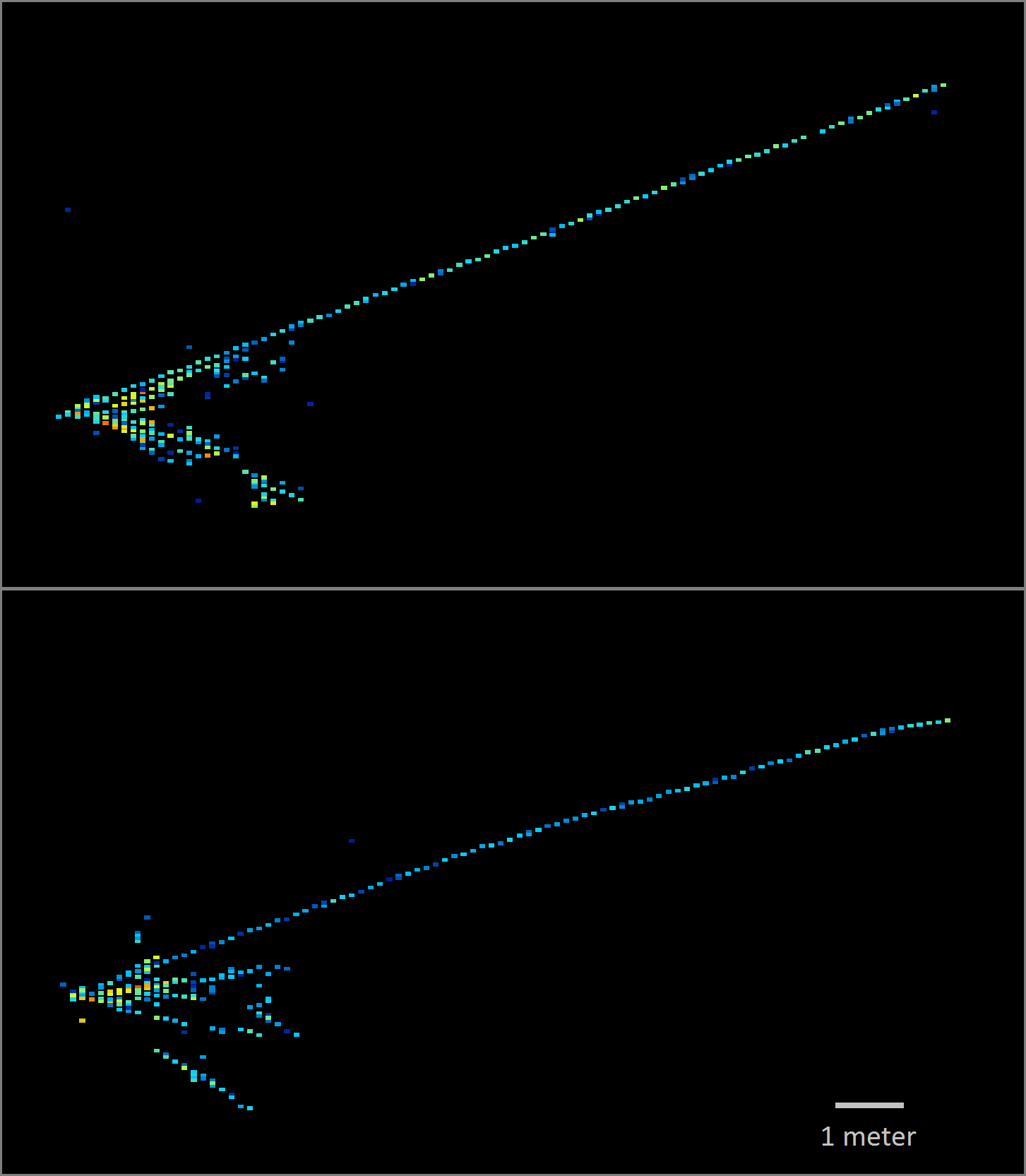
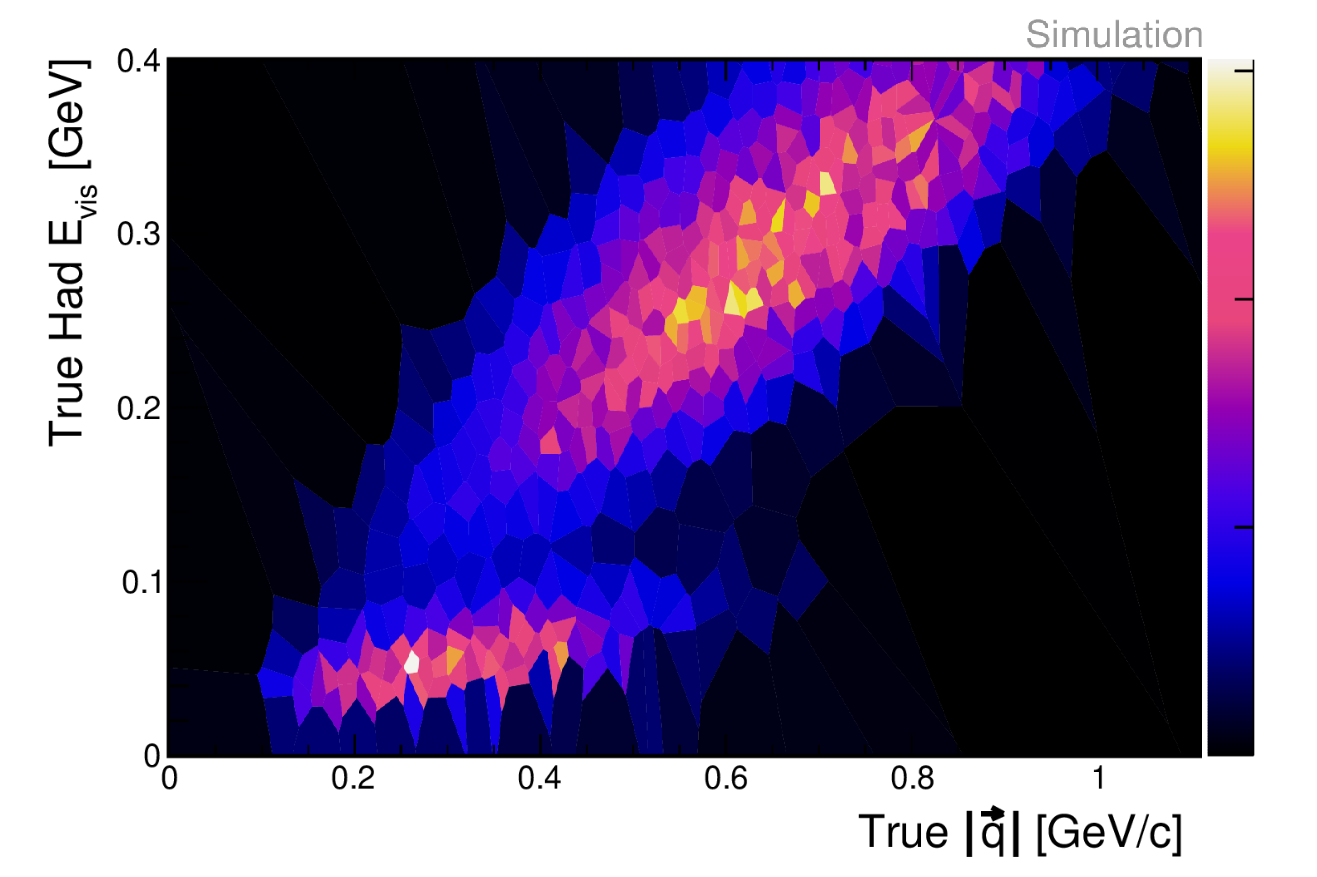
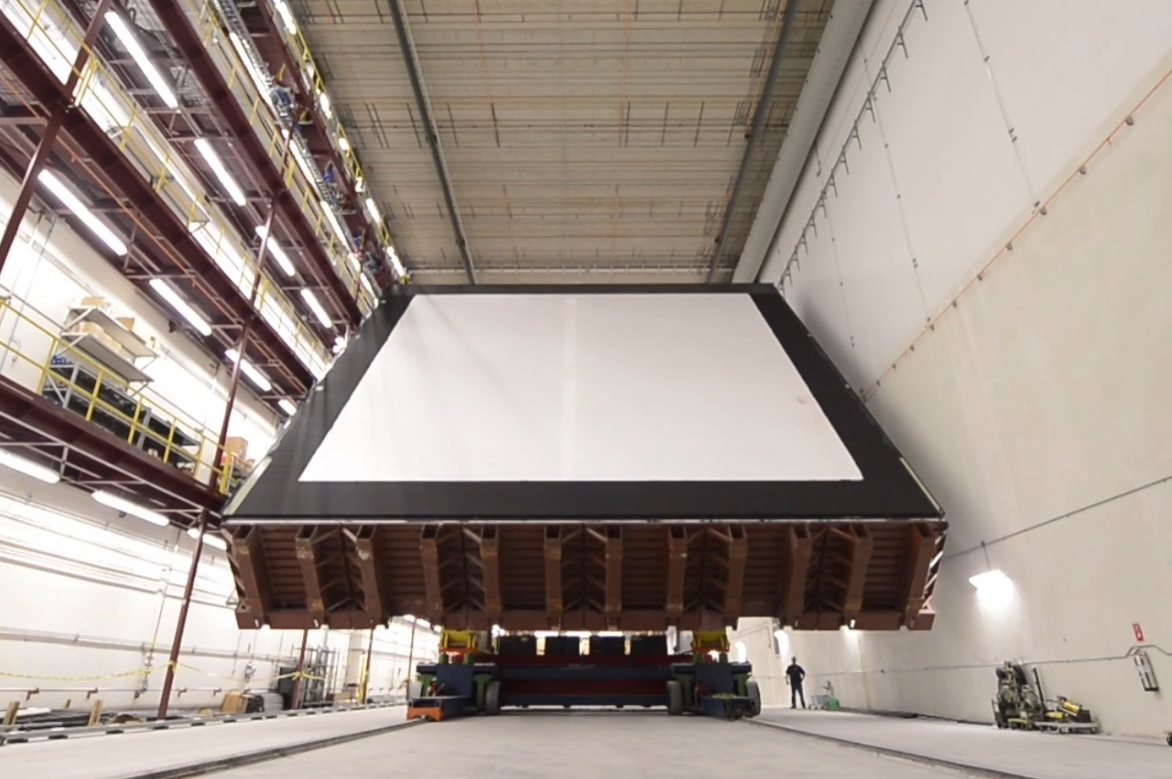
My research involves the experimental study of neutrinos. One piece of this is the currently operating NOvA experiment, a long-baseline neutrino oscillation experiment situated along Fermilab's NuMI neutrino beam. The broad physics program we are carrying out with NOvA includes determining the ordering of the neutrino masses; constraining the phase δ of the PMNS matrix in search of leptonic CP violation; elucidating the flavor structure of neutrinos, in particular whether the ν3 state is maximally mixed and, if it is not, determining whether the μ or τ flavor dominates; and providing new precision on the dominant "atmospheric" oscillation parameters Δm232 and θ23. This program is supplemented by a range of both Standard Model and exotic measurements: neutrino-nucleus scattering, sterile neutrino searches, supernova neutrinos, monopole searches, and more.
Nature can choose to make leptonic CP violation or non-maximal ν3 mixing arbitrarily hard to discover through careful parameter tuning, and some degeneracies can remain after NOvA if the CP phase lies in an unfavorable range. Even in more favorable cases, definitive CPv observation and precision measurements of PMNS mixing parameters still require a new experiment. My group is actively involved in the development of the next-generation DUNE experiment through which we are pursuing an ambitious physics program including an improved neutrino mass hierarchy measurement, reaching >5σ quickly regardless of other parameter values; observation of leptonic CP violation at >5σ for 50% of parameter space; world-leading supernova neutrino observation capabilities particularly (and uniquely) in the νe channel; and a wide range of searches for physics beyond the Standard Model.
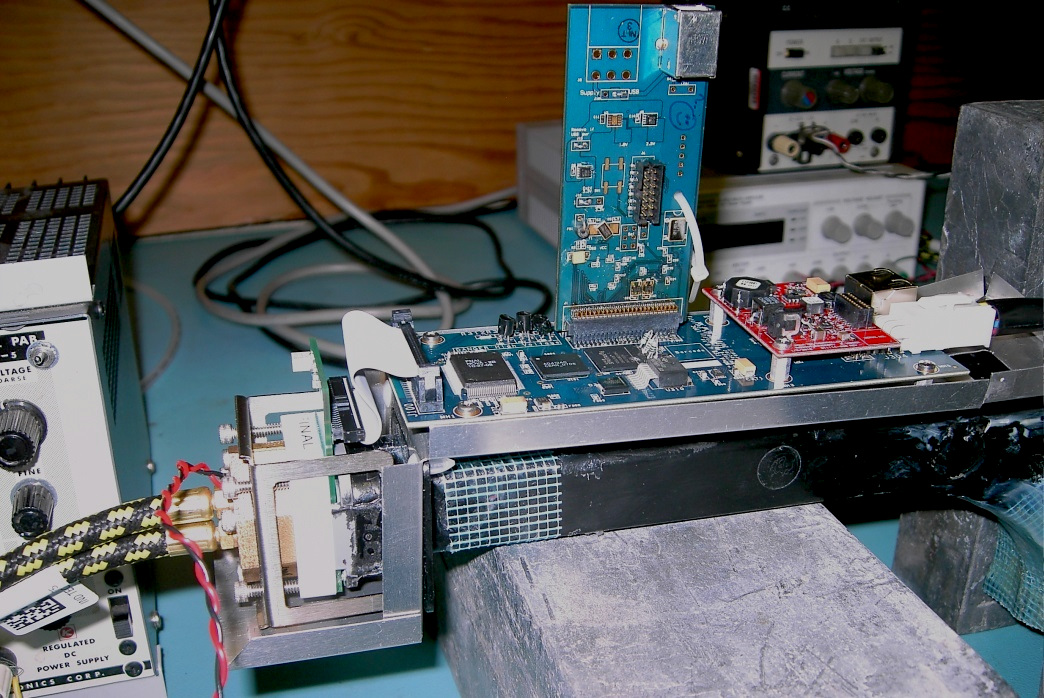
Students and postdocs in the group engage in the full life cycle of these large experiments, from conceptual design to science output. This work is naturally highly varied, including at times detector development and prototyping, commissioning and data aquisition, advanced software and computing (e.g., big data, machine learning, application of GPUs), often bespoke analytical and statistical techniques, and much more.
In years past, I was involved in the MINOS experiment, which completed data taking in 2012. This included studies of θ13-driven νe appearance and searches for new physics through comparisons of neutrino and antineutrino oscillations. Even further back in time I was involved in the MiniBooNE program, designed to test the unexpected LSND evidence for νμ→νe transitions at high apparent Δm2.