Definition: Nanomineralogy is the study of Earth and planetary materials at nanometer scales, focused on characterizing nanofeatures (like inclusions, exsolution, zonation, coatings, pores) in minerals and revealing nanominerals and nanoparticles (Ma 2008, 2010).
With high-resolution analytical scanning electron microscope, we are now capable to characterize geomaterials easier and faster down to nanoscales. Nanofeatures are being discovered in many common minerals and rocks, providing insights into genesis and physical properties. Nanominerals and nanoparticles are being revealed. New minerals and new materials are being discovered (Ma 2014). A story of nanomineralogy and discovery is featured in an article "They came from outer space" in Engineering & Science (2015, no.1), presented in the 2022 LPI seminar:
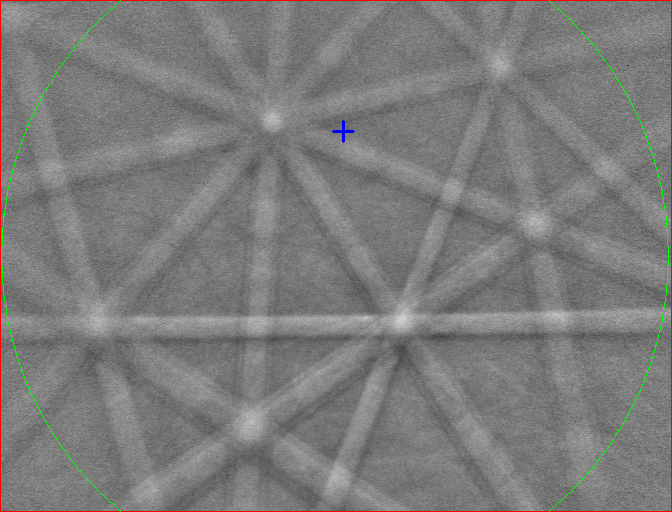
- Electron back-scatter diffraction pattern of a quasicrystal revealing its structure has a five-fold symmetry. (PDF) (news)
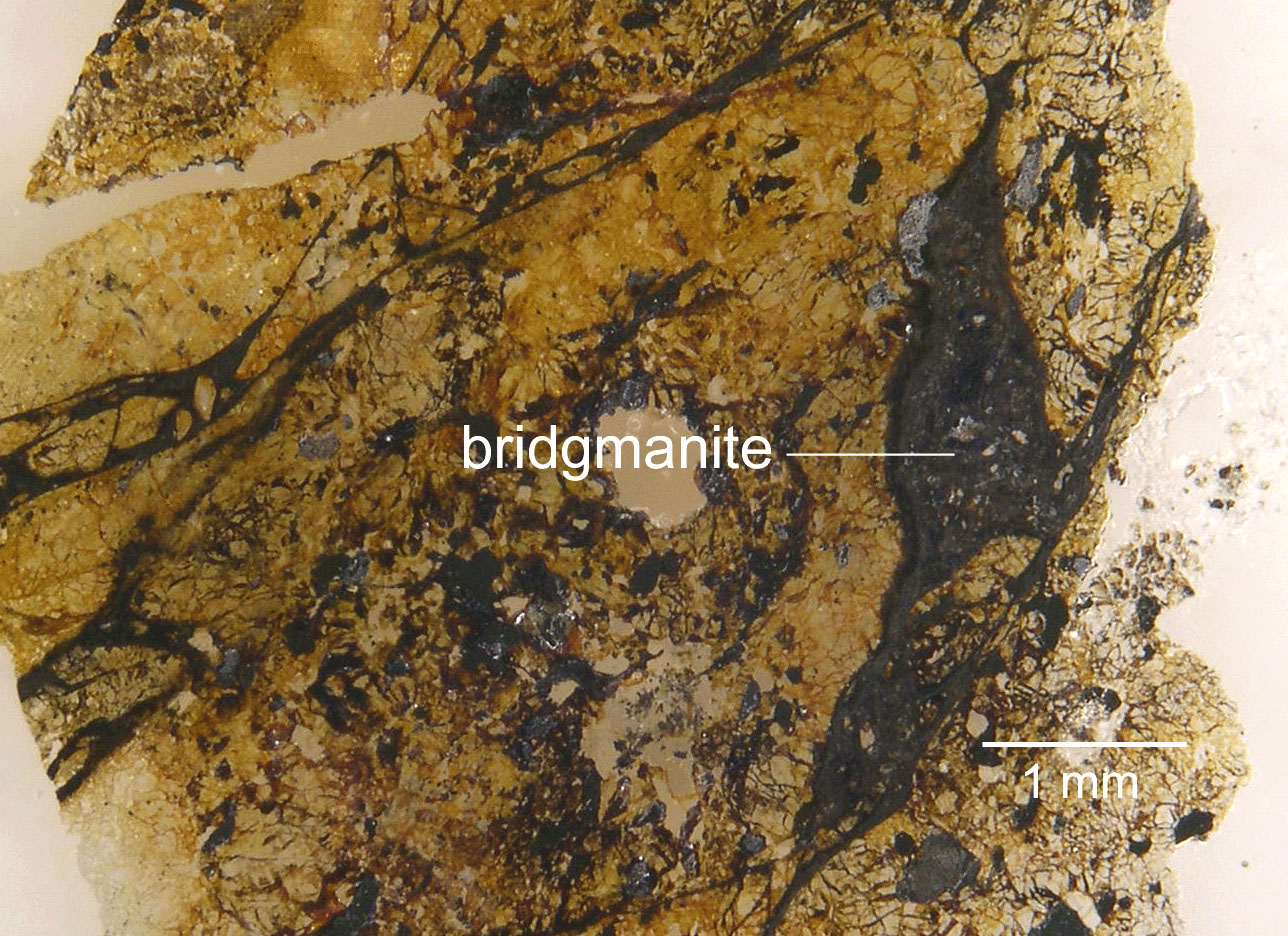
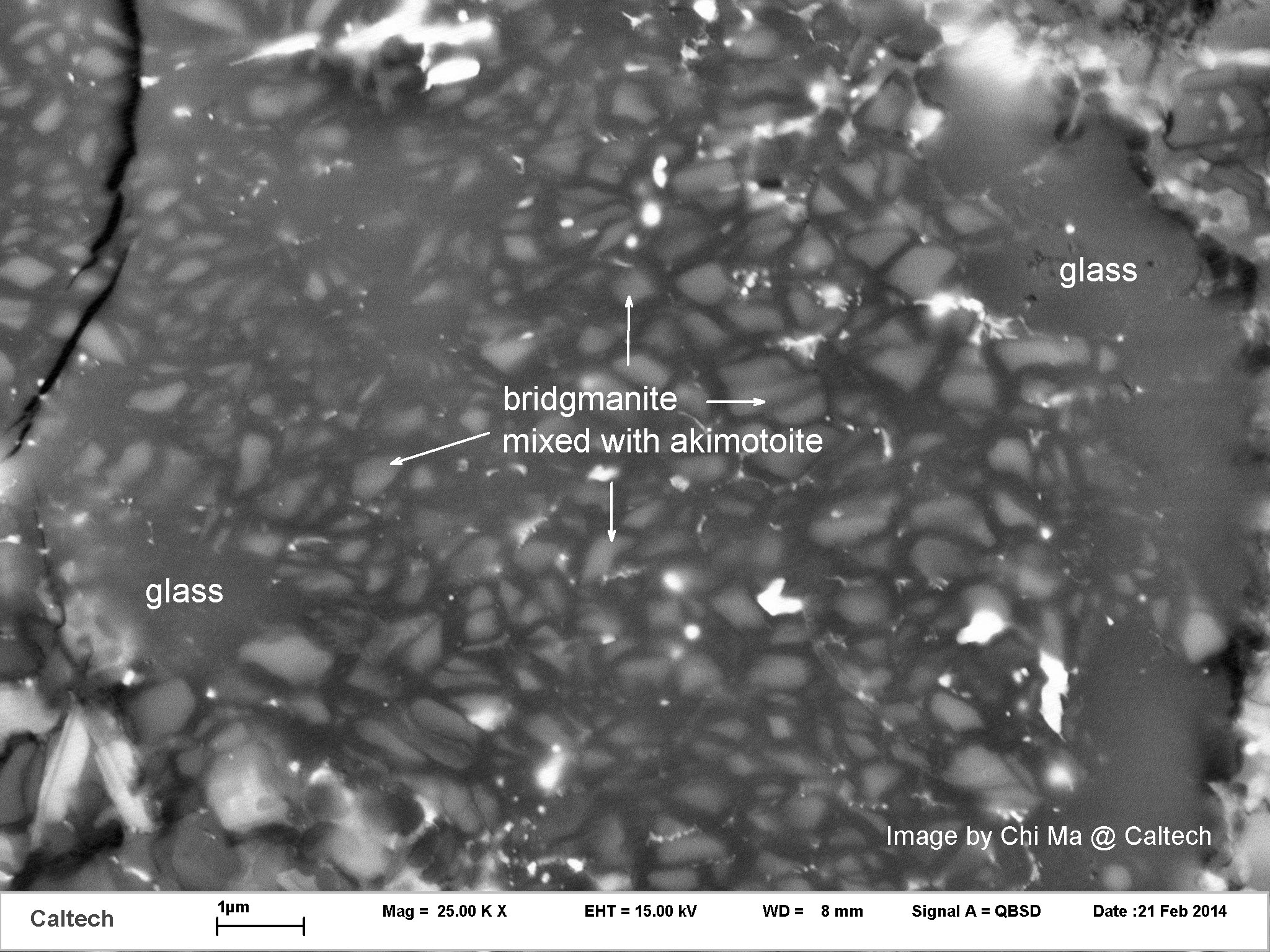
- Discovery of bridgmanite (MgSiO3-perovskite), the most abundant mineral in Earth, as tiny crystals (50-400 nm in size) in shock melt veins from the Tenham meteorite. (news)
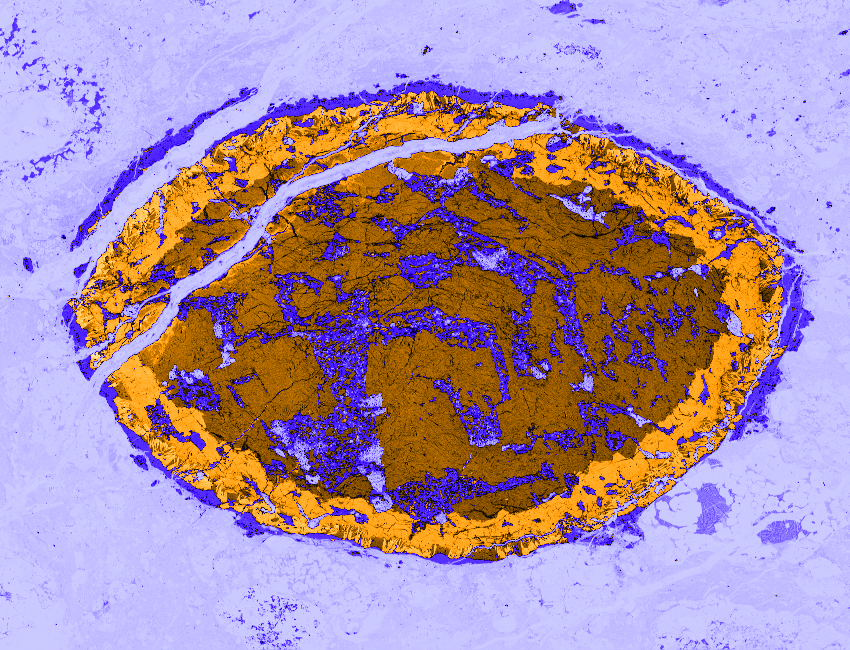
- Space "egg" from the early solar system, hosting new minerals krotite and brearleyite.
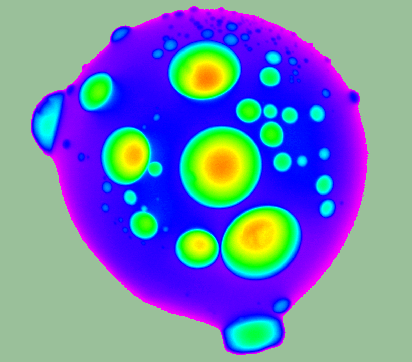
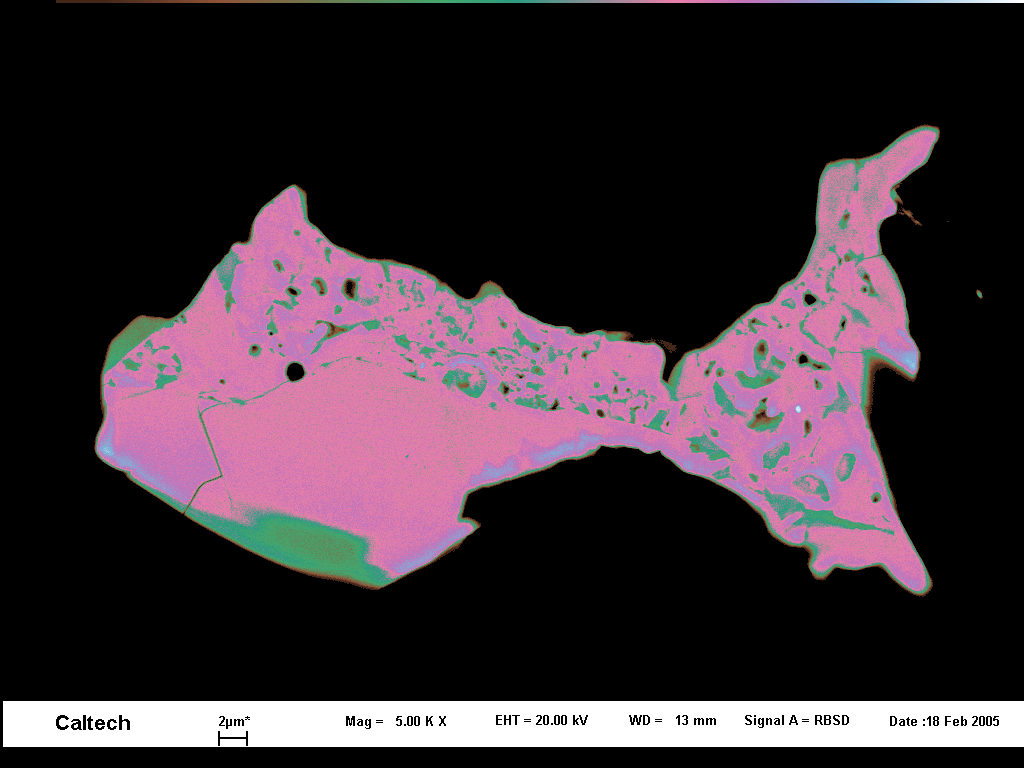
- A pseudocolored SEM image showing an olivine microchondrule (3.6 microns in dia.) with metallic Fe-Ni spheres at the surface, from Allende meteorite. Such microchondrules formed from tiny molten droplets in the early solar system about 4.56 billion years ago.
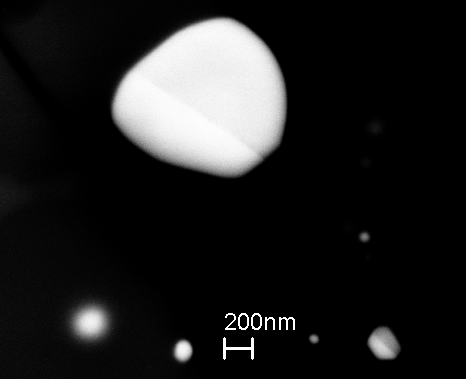
- Discovery of new mineral hexamolybdenum (Mo,Ru,Fe) in an ultrarefractory inclusion from Allende meteorite, among the first solids formed in the solar system.
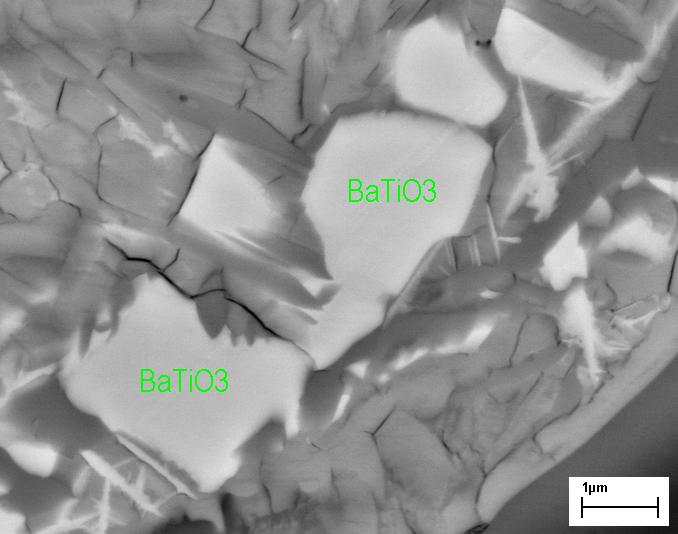
- Discovery of new mineral barioperovskite (BaTiO3).
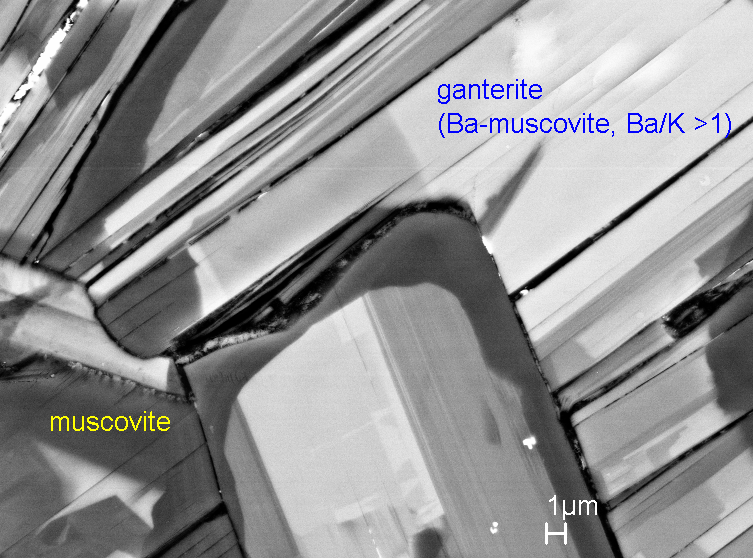
- The most Ba-enriched muscovite: ganterite from Oreana.
- Finding hafnian zircon. Zircon is forever.
- 3D pairs: ALH84001 Martian meteorite.
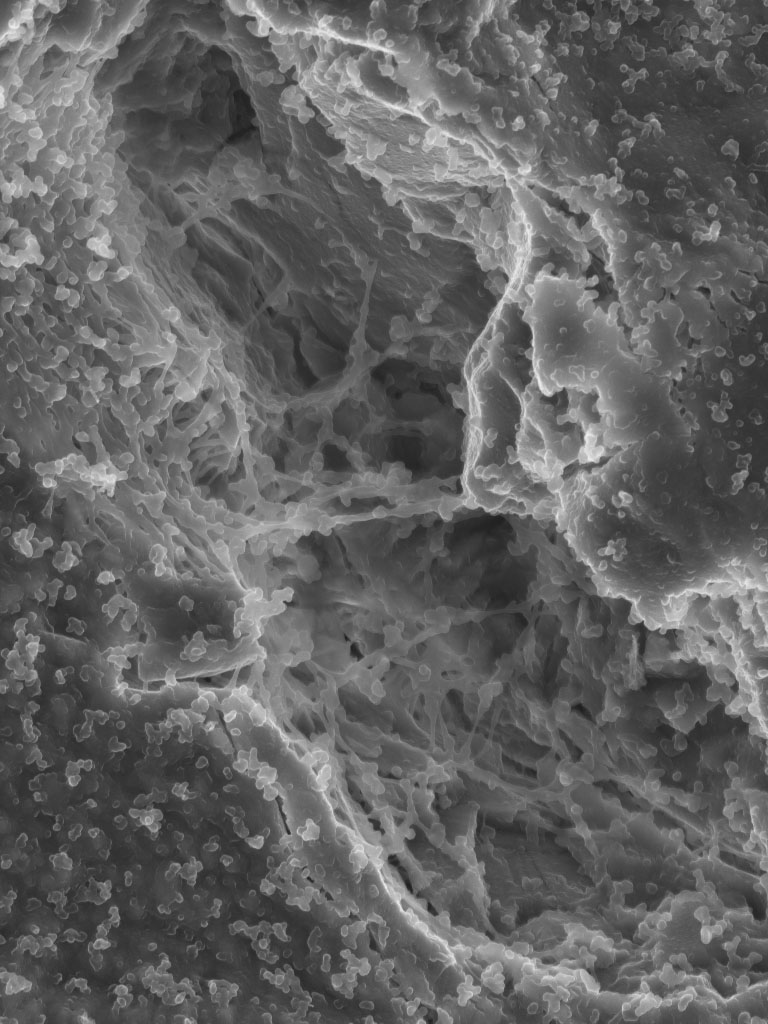
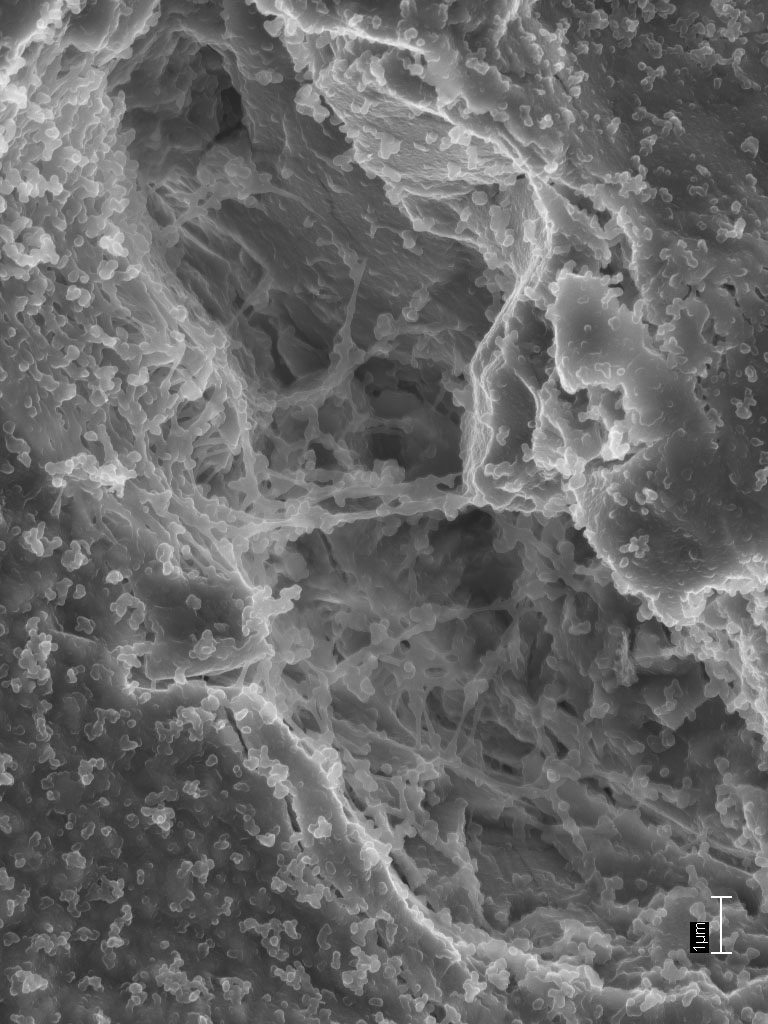
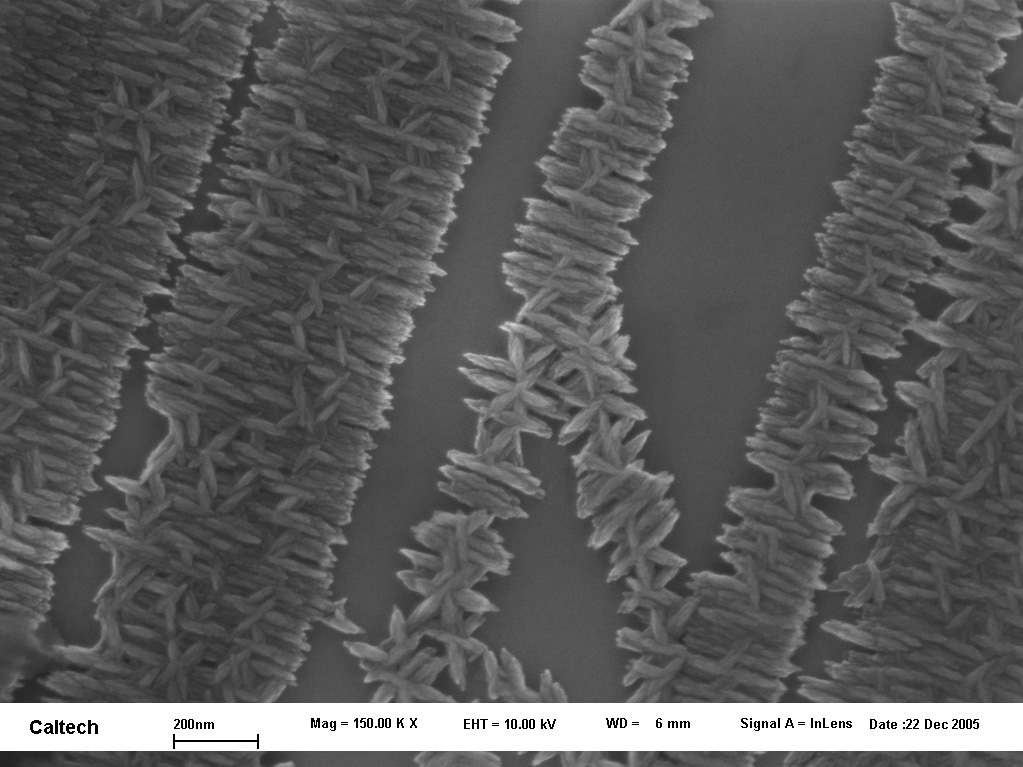
- Nano-crystals covering up iron oxide.
All the images by Chi Ma @ Caltech.