Beckman Institute
at Caltech
Caltech Logo

RESOURCE CENTERS AND FACILITIES
a Catalog


Introduction

The mission of the Beckman Institute is to invent methods, instrumentation and materials that will open new avenues for fundamental research in the chemical and biological sciences, and to provide technological support for these efforts. Operationally, we have tried to design Beckman Institute programs that will help support a broad cross-section of activities within the Caltech research community at the same time that they carry out their own specific agendas. Many members of that community have asked for more information about the facilities and areas of expertise that might be available to them in the Beckman Institute, and how to make use of them. To that end, we have prepared this catalog, which should tell you what each of our centers and facilities does, what facilities are available for use, what procedures are to be followed, and whom to contact for further information or to arrange access.
Any comments, suggestions for improving this document or for better modes of communication, or questions about the Beckman Institute in general should be directed to Jay Labinger by mail, telephone, fax or e-mail.


TABLE OF CONTENTS
(Latest Revision Indicated)


RESOURCE CENTERS


FACILITIES
MBI = Member of the Beckman Institute
MPS = Member of the Professional Staff


BIOLOGICAL IMAGING RESOURCE CENTER

Scott Fraser, PI
Russ Jacobs, MBI


Mission and Goals

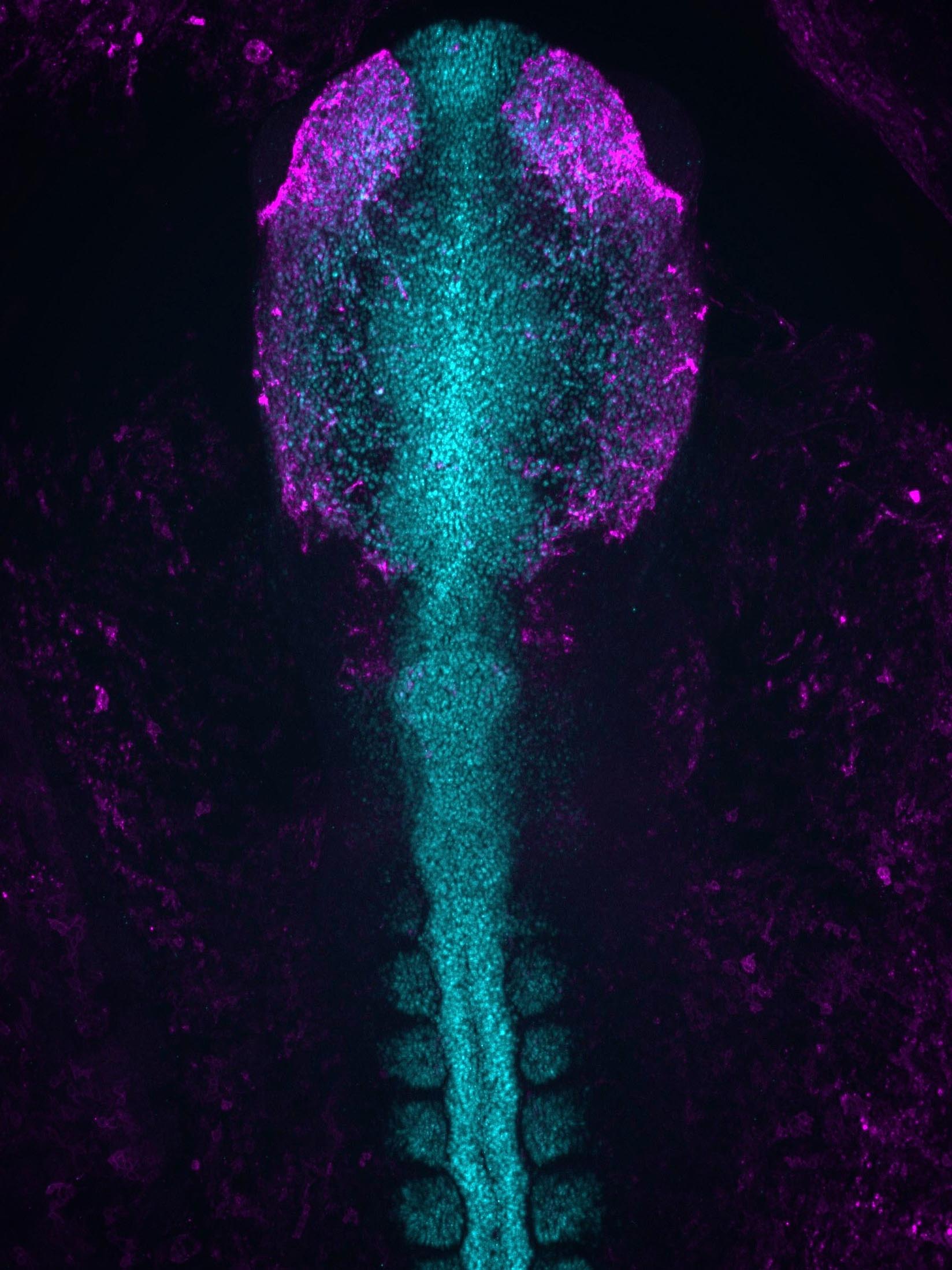
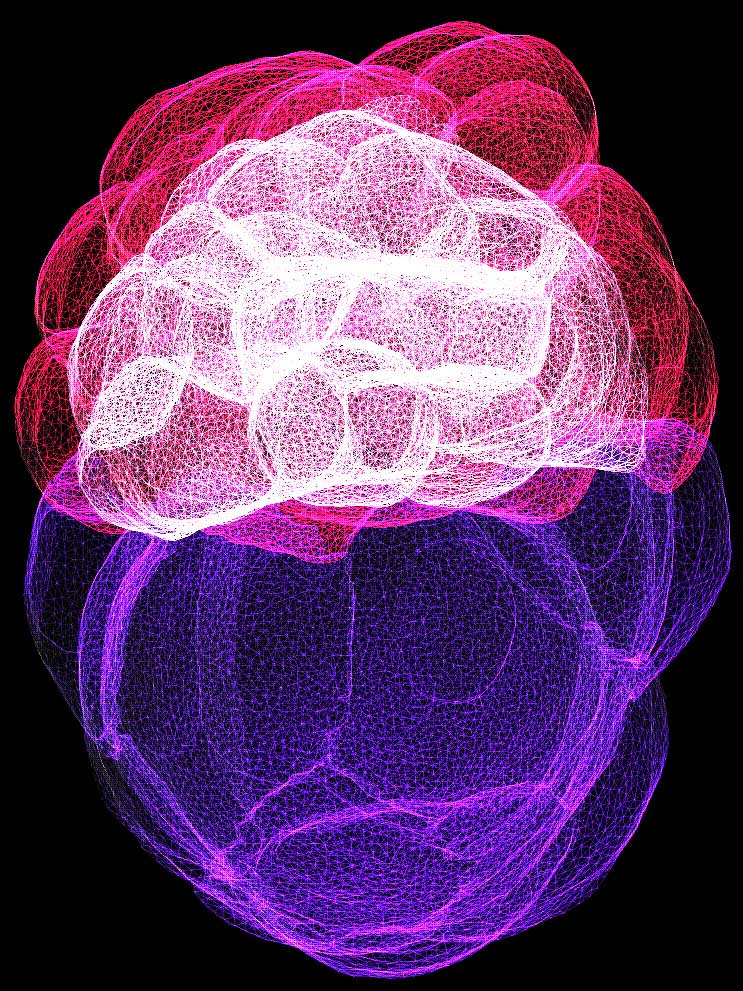
The mission of the Biological Imaging Center is to develop new technologies for the imaging of biological structure and function. As these technologies are refined, they are made available to the members of the Caltech research community. Software is under development to make the equipment and techniques more accessible to non-experts. Techniques in use or under development include: video microscopy (both low light level and high-resolution), calcium (ratiometric indicator dyes) imaging, confocal microscopy, two-photon microscopy and magnetic resonance microscopy. In addition, the Biological Imaging Center provides facilities for the processing and analysis of imaging data, ranging from a Silicon Graphics workstation for volume rendering and a Macintosh computer for image presentation, to high resolution output devices.

Facilities

Video Microscopy

Computer enhanced video microscopy offers several advantages, ranging from increased light sensitivity to improved resolution when compared to conventional microscopy using either film or direct viewing. The Biological Imaging Center makes available two video microscopes with different resolutions and image acquisition rates. VidIm. An image acquisition system capable of real-time image averaging and manipulation at conventional video camera resolutions (512 x 485 pixels) built around the Imaging Technology 151-AT image processor. The microscope is outfitted with a SIT low light level video camera. The VidIm software package, developed within the Biological Imaging Center, provides most commonly needed imaging tools with a mouse and keyboard user interface. Metamorph. A high-resolution image acquisition system built around the Hamamatsu multi-rate CCD and the Universal Imaging Metamorph imaging program. The resolution of the camera is adjustable (1k x 1k pixels to 256 x 256 pixels). Acquisition rates depend upon the light level and resolution, ranging from 10 frames per second to 30 seconds per frame or more. The Metamorph program is still under development, but provides a graphical user interface to perform many of the conventional acquisition and quantitation functions. Output from either of the video microscopes is in the form of computer files, typically on Bernoulli 90 Mbyte or 150 Mbyte cartridges.

Calcium Imaging

Based largely on the work of Roger Tsien, there is an a ever-growing family of indicator dyes for intracellular messengers. The largest family of these dyes are used for imaging intracellular calcium. We have assembled a ratiometric imaging microscope based around the VideoProbe imaging hardware and software. This set-up is capable of calculating the ratio of two different video images at full video rates (30 frames per second); thus taking advantage of the most popular indicators of intracellular calcium, sodium, pH, or cAMP. The output of the device is in the form of computer files, typically on 650 Mbyte optical cartridges.

High Resolution Three-Diemnsional Microscopy

A recent advance in the design of light microscopes by Edge Scientific Instruments has resulted in a light microscope with higher resolution and true three dimensional visualization. The Biological Imaging Center has been designated one of the test sites for this exciting new instrument. The Edge microscope permits the user to view or photograph their specimens using conventional Zeiss microscope objectives (10x to 100x). The improved resolution and three dimensional rendering of the microscope is most striking in living specimens, whole-mounted tissues, or thick sections. The present Edge microscope performs bright field imaging only; a fluorescence version should be available soon. Stereo images are archived as pairs of exposures on a conventional microscope camera.

Confocal Microscopy

Laser scanning confocal microscopy can offer improved resolution and dramatically improved rejection of out-of-focus light in comparison to conventional epifluorescence microscopy. Optical sections of 1 to 5 um can be collected at depths up to 150um into a specimen. The image is acquired by illuminating each pixel in series by raster-scanning a exciting laser beam over the specimen; a confocal aperture is used to collect the light emitted from only the excited pixel. Because of the time required to scan the laser beam, image acquisition time is typically 1 to 4 seconds. For many specimens, image averaging is required to decrease noise, increasing the image acquisition time to as much as a minute. The Biological Imaging Center maintains two confocal microscopes for general use: a BioRad MRC-600 mounted on a Zeiss Axiovert microscope, and a Zeiss LSM-310 equipped with an upright stand. Both are outfitted with the filters needed to collect dual channel fluorescence images (rhodamine/fluorescein or Texas red/fluorescein). The BioRad microscope can also image the red-excited fluorochrome Cy5. Output from both machines is in the form of computer files, typically on 650 Mbyte optical cartridges or on Bernoulli 90 Mbyte or 150 Mbyte cartridges.

Two-Photon Microscopy

A limitation of conventional confocal microscopy is that, although light is collected from only one optical section, the exciting light must pass through, and hence bleach, all sections of the specimen. Two-photon microscopy offers an alternative approach of exciting only the optical section under study through the use of a high intensity, ultra-fast pulsed laser (130 fsec pulses @ 80 MHz). At the high light fluxes produced during each pulse, two red photons can be absorbed simultaneously by a fluorochrome that usually absorbs ultraviolet light. This two-photon effect is greatest at the focal plane, permitting data to be collected from one optical section within a specimen without bleaching those above and below. The Biological Imaging Center is constructing a two-photon microscope using a Coherent MIRA Ti-Sapphire laser and a Molecular Dynamics Sarastro confocal microscope. The instrument is housed in the Laser Resource Center in the Beckman Institute. Once completed, it will be available to users on a limited basis after they complete a special training course.

Magnetic Resonance Imaging

The MRI subgroup of the Biological Imaging Center is directed at developing Magnetic Resonance Imaging so that it can be used as a tool to study biological problems in the same way that optical microscopy is now routinely employed. In pursuit of this goal, it will: Refine MRI hardware and software so as to be able to routinely achieve single cell spatial resolution in three dimensional MR images of living specimens. Optimize MR contrast agents to serve as reporters of anatomy and physiology. Implement functional MR imaging techniques to be used as tools to study brain function. Develop software tools to aid in all steps of the MR imaging process - from experimental design through to printing of the final images. The Magnetic Resonance Imaging Spectrometer used here is a Bruker Instruments AMX500 with microimaging accessory and host of ancillary hardware and software additions implemented on site. This instrument operates at 11.7 Tesla (500 MHz). We employ magnetic field gradient coils capable of generating in excess of 50 gauss/cm. Maximum sample size is approximately 2.5cm by 5cm. Current spatial resolution is ~10 microns. At present, the MRI microscope is available only through collaboration with the facility.

Image Analysis and Rendering

This portion of the facility plays a critical role as it permits the digital outputs of the instruments in the Biological Imaging Center to be enhanced, analyzed and converted into hard copy. Image processing is accomplished on a Macintosh Quadra computer using Adobe Photoshop or NIH Image, or on a Silicon Graphics IRIS workstation using the Voxel View package from Vital Images. The Macintosh programs permit image files to be analyzed or to be composed and labeled for publication. The Voxel View package offers powerful tools for creating volume-renderings of three-dimensional data sets collected on the confocal or MRI microscopes. The Quadra permits the images to be output on either a small format (3" x 4") or large format (8" x 10") Kodak hard copy printers. Slides are most easily produced by transferring the files to the Divisional slide making facility or to an off campus graphics firm. The IRIS permits output to a 35mm and Polaroid (3" x 4") camera back. Users must pay for the consumables for either of the Kodak printers, currently about $1.50 per image for the small format printer and $3 for the large format printer.

Procedures for Use

Instruments in the Biological Imaging Center are available to users though sign-up lists. The exceptions are the two-photon and MRI microscopes which are available only though collaboration or by special arrangement. Time on any instrument is limited to four consecutive hours except by special arrangement.

To help familiarize users with the theory and practice of biological imaging, the Biological Imaging Center will offer a short course on digital microscopy two or three times a year (first offering May 1994). The course will take the form of lectures with practical demonstrations (four evenings) and hands-on training (one Saturday).

The rules of the facility are straightforward, largely dictated by the Caltech honor code. As the facility must serve a large set of researchers, please observe these rules:

All data files should be removed from the instruments on the day they are collected.

Data files older than three days will be removed by the Biological Imaging Center staff.

Users should report any malfunction or problem immediately by posting a note to the Problem Board (located next to the door inside Room 33). This will permit the equipment to be brought back on line with a minimum of delay. Users will not be charged for the repair of equipment except in cases of misuse or abuse.

No equipment, attachments or consumables are to be removed from the facility without permission from the director.

At present there are no hourly charges for use of the instruments. To reimburse the Center for the consumables used by the color printers, users will be charged $1.50 per print on the small format printer and $3 per print on the large format printer.

Visit the Fraser LabWebsite

Contacts

For information about the light microscopy facilities:
Dr. Gary Belford
Room 33C - Beckman Institute
Mail Code 139-74
E-mail: gbelford@caltech.edu
Tel: (626) 395-2863

For information on the MRI microscope:
Dr. Russell Jacobs
Room 133 - Beckman Institute
Mail Code 139-74
E-mail: rjacobs@caltech.edu
Tel: (626) 395-2849

Questions concerning the facilities in service may be directed to:
BioImaging@gg.caltech.edu

Up to Table of Contents


BIOMOLECULAR DESIGN CENTER

Jacqueline K. Barton, co-PI
Peter Dervan, co-PI

Mission and Goals

The goal of the Biomolecular Design Center is in the invention of chemical methods and materials that open new avenues for research at the interface of chemistry and biology. We are combining synthetic chemistry with structural and molecular biology to create enabling technologies for biological research and human medicine.

Our emphasis is in the development of molecules and chemical methodologies to probe, modulate and apply nucleic acid reactivity and function. Efforts focus on (i) the design and application of new molecules with high DNA sequence- or site-specificity; (ii) the regulation of gene expression by synthetic DNA binding ligands; (iii) the development of new nucleic acid diagnostics based upon DNA charge transport chemistry; and (iv) chemistry and biology associated with DNA damage and repair. Aligned closely with the overall mission of the Beckman Institute, we hope through the Biomolecular Design Center to create new tools for biological research, diagnostics, and human medicine.

Facilities

The Center is located on the south side of the second floor of the Beckman Institute. The facilities offer the full complement of modern instrumentation and laboratory facilities for state-of-the-art research in bioorganic and bioinorganic chemistry.

Facilities for the Biomolecular Design Center include chemistry laboratories for the synthesis of new molecules as well as biochemical laboratories to examine biological activities associated with the molecules we design and to develop new sensitive assays and tools for diagnosis. Facilities are available for the preparation of novel oligonucleotides and derivatives. We are also incorporating a capability for custom fluor conjugations to aid Caltech scientists in the fluorescent labeling of biomolecules for a broad spectrum of individual needs.

Two laboratories, each containing three six-foot hoods, are fully equipped for modern multistep synthetic chemistry. Room 250 is equipped with a 300 MHz NMR for routine NMR spectral characterization of compounds. We also share time on a 600 MHz NMR for advanced applications such as structural characterization of biomacromolecules. Room 237 contains facilities to support mammalian cell culture work to explore the biological applications of synthetic designs.

For information on ongoing research, visit:

http://www.its.caltech.edu/~jkbgrp/
http://www.cce.caltech.edu/faculty/dervan/

Procedures for Use and Contacts
Outside users for collaboration on novel methods or materials should contact:

Dr. Jacqueline K. Barton
Room 235 - Noyes
Mail Code 127-72
E-mail: jkbarton@caltech.edu
Tel: (626)395-6075
Fax: (626)577-4976

Dr. Peter B. Dervan
Room 164 - Crellin
Mail Code 164-30
E-mail: dervan@caltech.edu
Tel: (626) 395-6002
Fax: (626) 683-8753

Up to Table of Contents


LASER RESOURCE CENTER

Harry Gray, PI
Jay Winkler, MBI

Mission and Goals

The Beckman Institute Laser Resource Center (BILRC) is engaged in the development of sophisticated laser-spectroscopy instrumentation that can be used by the entire Caltech research community. Members of the BILRC staff train new users by coaching them through their first few experiments until they are able to work on their own.

Facilities

Wet Labs. The labs in rooms 08, 010, and 05 are fully outfitted for sample preparation. Available facilities include: high-vacuum line, Schlenk line, balances, Hewlett-Packard diode-array absorption spectrometer, high-performance protein chromatography (FPLC).

Computing. The BILRC has nine IBM-PC compatible machines, one Apple Macintosh IIci, a Silicon Graphics Indigo Workstation, and an IBM RISC/6000 workstation with two X-windows terminals. All of the machines are linked together and to ClTNET. The PC's are used as data-collection machines; one PC acts as a central file server for storing data from client PC's. Loaded onto the SGI Indigo is the full Insight software package that runs BIOSYM molecular graphics routines. MATLAB is available on the IBM RISC machine. C and Fortran compilers are available on the PC's and the two workstations.

Laser Lab. The laser lab in room 018 is divided into four rooms (A, B, C, and D), each housing equipment that usually operates independently from equipment in adjacent rooms. Occasionally, however, lasers in one room will be used with detection experiments in an adjacent room.

Room 018A. Picosecond transient absorption experiments are performed in this room. This equipment permits measurements of transient absorption spectra from the near-UV through the near-IR (300-1000 nm), with time resolution as high as 0.5 ps, and delay times as long as 30 ns. Two laser configurations can be used: one providing Nd:YAG wavelengths (355, 532, 1064 nm) in ~ 10-ps excitation pulses; and one providing ²0.5 ps pulses at 650, 410, and 325 nm. These picosecond pulses also can be directed into Room 018B for time-resolved resonance Raman experiments.

Room 018B. This room is used for nanosecond time-resolved laser spectroscopy. Two excitation sources are available: an excimer-pumped dye laser providing 25-ns pulses tunable from 330 to 900 nm and a Q-switched Nd:YAG laser providing 10-ns pulses at 532 and 355 nm. These lasers are used as excitation sources in time-resolved near-UV to near-IR (250-1000 nm) absorption and luminescence measurements. Conventional scanning Raman spectroscopy is also performed in this lab. CW excitation sources include Ar-ion, HeCd, and HeNe lasers. The nanosecond or picosecond pulsed lasers can also be used as excitation sources with gated detection for time-resolved resonance Raman measurements.

Room 018C. This room is used for picosecond luminescence-decay measurements by time-correlated single photon counting. With a micro-channel-plate detector, time resolution of ²70 ps is possible. The excitation source is a CW mode-locked Nd:YAG laser synchronously pumping a dye laser operating at 560-680 nm. With nonlinear mixing crystals, 280 to 340-nm excitation light can be generated. Excitation with 70-ps 532-nm pulses is also available. A mode-locked Ti:Sapphire laser can also be used as an excitation source (750-950 nm) and harmonics of these wavelengths will soon be available.

Room 018D. The room will be used for new instrument development.

Future Developments. second nanosecond absorption/luminescence spectrometer will be built to meet the increasing user demand. The Q-switched Nd:YAG resonator will be modified and coupled to an Optical Parametric Oscillator to provide tunability from 450 to > 1000 nm. Multichannel detection will also be introduced. Multichannel Raman detection will be implemented for both steady-state and time-resolved measurements. Development of time-resolved IR, CD, and EPR spectroscopies is also planned.

Procedures for Use

To use BIRLC facilities, contact Jay Winkler or a member of the BILRC staff to discuss the experiments involved. At that time, arrangements will be made for user training in safety procedures and operation of the equipment. Users will require assistance from BILRC staff members until they have demonstrated proficiency in use of the lasers and ancillary instruments. A practical examination constitutes part of the qualification procedure.

There are currently no charges for the use of BILRC facilities. Visit the BILRC website for additional information.

Contact

Dr. Jay Winkler
Room 310 - Beckman Institute
Mail Code 139-74
E-mail: winklerj@its.caltech.edu
Tel: (626) 395-2834
Fax: (626) 449-4159


Up to Table of Contents


MASS SPECTROMETRY RESOURCE CENTER

J.L. Beauchamp, PI

Mission and Goals

The overall objective of research in the Resource Center for Mass Spectrometry is the opportunistic development of novel mass spectrometric techniques which have specific applications to biochemical problems. The long range goals are to develop instruments which permit efficient transfer of suitably ionized intact biological molecules into the gas phase where they can be detected and studied using a variety of mass spectrometric techniques, and to develop chemical and physical probes to examine the properties and structures of biomolecules, including the determination of peptide and oligonucleotide sequence information. Efforts are focused on the development of techniques with the highest possible sensitivity (analysis at subfemtomolar level with single ion detection capabilities) and the highest possible mass resolution (1 part in 106). Methods include time of flight, ion trap, and quadrupole mass spectrometers, Fourier transform ion cyclotron resonance spectroscopy, and ion mobility spectroscopy. Ion source methodology includes electron impact, chemical ionization, fast ion bombardment and laser desorption from liquid and solid matrices, and electrospray ionization.

Facilities

Facilities include an external ion source high field Fourier transform ion cyclotron resonance (FT-ICR) mass spectrometer equipped with fast ion bombardment (FAB), matrix assisted laser desorption ionization (MALDI), and electrospray ionization (ESI) sources. The unique capabilities of this instrument include the ability to trap ions for extended periods for chemical and physical studies, isolate ions of interest from a complex mixture, and nondestructive detection of ions with both high sensitivity and ultrahigh mass resolution. Additional instruments include a quadrupole mass spectrometer equipped with an ESI ion source, a reflectron time of flight mass spectrometer equipped with a MALDI source, and an ion mobility spectrometer. These instruments are designed primarily for routine analysis of biological molecules with nominal mass resolution and sensitivity. The FT-ICR instrument is employed when its unique capabilities are required. A near field scanning molecular microprobe has been assembled to map molecules on surfaces with submicron resolution.

FT-ICR Instrumentation. The external ion source FT-ICR instrument developed for use in the Beckman Institute Resource Center for Mass Spectrometry has been operational for two years. The instrument utilizes an octopole ion guide to transfer ions from the external source to the ICR cell located in a S inch warm bore 7 Tesla superconducting magnet. Three stages of differential pumping (cryopumps) separate the source from the cell and permit pressures in the 10-10 Torr range to be maintained during experiments. The majority of samples are examined using fast ion bombardment of a liquid matrix (e.g. glycerol or triethanolamine) with 5 keV cesium ions. A laser window allows for irradiation of the probe tip with a pulsed nitrogen laser to effect laser desorption and ionization processes. An electrospray ion source has been designed by Analytica of Branford specifically for use with this instrument (this source will be available for use after April 1, 1994). The source includes an ultrasonic nebulizer to permit operation with aqueous solvents. Three additional stages of pumping (two mechanical and one turbomolecular) are required to allow for operation of the source at atmospheric pressure. Pulsed gas valves admit reagent gases directly to the cell, and a static tap to the cell allows calibration of a Schultz Phelps ionization gauge (an integral cell component) against an MKS Baratron capacitance manometer to accurately measure pressures for studies of bimolecular reaction dynamics. The instrument is highly automated and most operating parameters are under computer control. Picomolar samples can generally produce useful spectra. Examination of smaller amounts of material requires carefully designed protocols for sample handling and introduction. Unit mass resolution can be achieved up to 10,000 Daltons and higher mass resolutions can be attained in special narrow band experiments. Using the ESI source high molecular weight species can be analyzed as multiply charged ions. As a result the upper mass range is essentially unlimited. A typical experiment involves isolation of quasimolecular ions of interest from mixtures and an examination of collisional dissociation processes to obtain structural information.

Electrospray Ionization - Quadrupole Mass Spectrometer. A Vestec ESI source is coupled with an Extrel quadrupole mass spectrometer with an upper mass limit of 2,000 Daltons. High molecular weight ions are analyzed as multiply charged species, typically in the m/z range between 800 and 1500. Ionized species can be sampled directly from solution, which is fed through a hypodermic needle by a syringe pump at a flow rate of 1-2 microliters per minute. Subpicomolar quantities of species such as inorganic and organometallic complexes as well as biological molecules can be readily detected. The technique is not well suited for analyzing mixtures because of the multiplicity of peaks that arise from each component. Mass accuracy is typically better than 0.05%. The instrument is well suited as a detector for capillary chromatography and CZE experiments. This instrument will be available for other groups to evaluate potential applications after April 1, 1994.

Matrix Assisted Laser Desorption - Time of Flight Mass Spectrometer. A MALDI-TOF mass spectrometer system is being built by R.M. Jordan company and will be available for other groups to evaluate potential applications around July 1, 1994. This instrument comprises two sources which can be attached to a high resolution reflectron time of flight mass spectrometer equipped with dual detectors. The first is a standard MALDI source which allows for ions formed by a pulsed nitrogen laser to be mass analyzed. Single samples are loaded through a vacuum interlock. Depending on the type of sample, species are analyzed as singly charged quasimolecular ions formed by deprotonation, protonation, or addition of a metal ion to the parent molecule. The second source has an ion trap to accumulate ions made by the MALDI process. Multiple collisions with a buffer gas serve to focus the ions to the center of the trap and relax their excess kinetic energy. While more complex to operate, this source provides for enhanced sensitivity (due to ion accumulation in the trap) and higher mass resolution. By operating the trap in a mass selective trapping mode, matrix ions can be easily removed prior to analysis. Mass resolution can be as high as 5,000 and mass measurement accuracy is typically better than 0.01%. Since ions are analyzed as singly charged species up to 30,000 Daltons, the technique is well suited for examining mixtures such as might result from a tryptic digest. Sensitivity is highly dependent on the sample/matrix combination but is usually subpicomolar. Spectra are recorded using a LeCroy transient digitizer coupled to a 486 PC running a TOFware data analysis program.

Ion Mobility Spectrometer. In conjunction with Professor Richard Flagen in Chemical Engineering, an apparatus for measuring the gas phase mobilities of quasimolecular ions of biological molecules has been assembled and initial experiments are underway. Our first experiments involve determination of the gas phase mobilities of singly protonated peptides formed by matrix assisted laser desorption. We believe that this relatively simple "ion chromatography" experiment can provide rapid and sensitive analysis of mixtures, as well as information relating to the shapes of biological molecules. Globular species are expected to have higher mobilities than linear or extended configurations. After gaining experience with singly charged species we will examine multiply charged ions formed by electrospray ionization, with the objective of relating the extent of protonation to the folding of the peptide. In experiments employing the electrospray ion source, mass spectrometric detection of chromatographed ions will insure positive identification of the observed ions.

Ultrasensitive Biomolecule Detection. Also in conjunction with Professor Richard Flagen, we have embarked on a program to develop ultrasensitive methods for biomolecule detection. We have acquired a quadrupole ion trap and developed an injector for single charged droplets. Solvent evaporation from multiply charged micron sized droplets eventually produces multiply charged biomolecules which are ejected from the droplets when Rayleigh fissioning of the initial droplet proceeds to the point where field evaporation can begin to compete. Initial studies will focus on the physical processes associated with ion formation from the evaporating droplet, with the goal of capturing the majority of ions formed and determining their mass to charge ratio using mass selective ejection from the ion trap. The long range goal is to operate this device as an ion source attached to the high field FT-ICR spectrometer, where the ions can be further manipulated and detected. We anticipate that sensitivity for biomolecule detection can be increased by more than six orders of magnitude over what can be achieved with electrospray ionization with this methodology.

Near Field Optical Microscopy Combined with Time-of-Flight Mass Spectrometry. In collaboration with Professors John Baldeschwieler and John Paul Revel we have developed a simple scanning near field optical microscope with a UV transmitting aluminum clad optical fiber probe. A simple and compact time of flight mass spectrometer is being assembled to extract and analyze ions formed in the irradiated volume at the probe tip. Calculations indicate that with a pulsed nitrogen laser we can achieve intensities in excess of 107 watts cm-2, which should be sufficient to desorb ions for the surface. The NSOM microscope has produced images of red blood cells with better than 0.1 micron resolution. The TOF mass spectrometer has been operated with a focused laser beam to yield spectra of stable molecular ions such as methylene blue and acetylcholine. Presently we are trying to improve the sensitivity and resolution of the TOF mass spectrometer. This instrument has the potential of mapping molecular species in biological specimens with submicron resolution.

Procedures for Use

Arrangements for obtaining mass spectra are handled by the graduate and postdoctoral students working in the facility. No hazardous samples will be accepted (e.g. corrosive or explosive materials, known carcinogens, body fluids such as blood samples, etc.). Samples should be clearly labeled and molecular weights and structures should be provided with the sample. Possible contaminants should be noted if samples are not pure. Data sheets for recording this information can be obtained in room 227 of the Beckman Institute. Any sensitivities of the sample should be noted (pH, thermal, air, specific solvent instabilities, etc.) and the specific goal of the analysis should be discussed with the instrument operator. At present there are no charges for recording spectra on an occasional basis. None of the instruments presently available in the Mass Spectrometry Resource Center are designed for running large numbers of samples and mass spectral analyses should be regarded mainly as exploratory to see if mass spectrometry can be employed to solve specific problems. Long term collaborations of mutual interest in which students from other groups become familiar with instrument operation are welcome. The Divisions of Chemistry and Biology are working to acquire instrumentation for MALDI-TOF and ESI-Triple Quadrupole mass analysis as part of a routine analytic service facility with a trained full time operator. Visit the Mass Spectroscopy Resource Center website.

Contact

Jack Beauchamp
Room 234B - Noyes Laboratory
Mail Code 127-72
E-mail: jlbchamp@its.caltech.edu
Tel: (626) 395-6525
Fax: (626) 568-8641


Up to Table of Contents


MOLECULAR MATERIALS RESOURCE CENTER

Nate Lewis, PI
Bruce S. Brunschwig, MBI, Director

Mission and Goals

The goals of the MMRC are to synthesize, from the molecular level, materials and combinations of materials with unique and desirable properties and to provide the Caltech community with routine access to state-of-the-art instrumentation for materials characterization. Current emphasis of the Research Center is on materials and devices useful in artificial photosynthesis and solar energy conversion, electroactive compounds, unique nonlinear optical materials, devices capable of detecting volatile organic chemicals, formation of self-assembled monolayers on surfaces, surface science methods to probe the chemistry of solids, and characterization of magnetic materials ranging from asteroids to nanomaterials.

Facilities

Major Instruments:
In the area of characterization, the MMRC maintains and operates a variety of major instrumentation, including:

Other Resources:
The Center provides expertise in the following areas: solid materials characterization using modern UHV-based surface science techniques; scanning probe microscope used to characterize specimens from biological samples to novel electronic materials; electrochemical characterization of charge-transfer properties and reduction potentials of molecular species, sensor sensitivity, and heterogeneous and homogenous electron-transfer reactions using an electrochemical Quartz Crystal Microbalance, a high-speed potentiostat, and a computer controlled BAS potentiostat; characterization of nano-particles and protein size using light scattering.

Wet Laboratories:
The center maintains four laboratories in the subbasement of the BI that are devoted to the development of nanomaterials for artificial photosynthesis, solar conversion studies, chemical sensor fabrication, inorganic synthesis, and sample preparation. Facilities include: vacuum lines, Schlenk inert atmosphere lines, inert atmosphere boxes, a GC-MS instrument, spin coating, UV-vis spectrophotometer, and visible photolysis facilities.

Procedures for Use

To use MMRC facilities, contact Bruce Brunschwig or the appropriate member of the MMRC staff (see MMRC web pages). All users will be trained and required to demonstrate proficiency using the MMRC instrument before being allowed to work with the instrument on their own. The MMRC provides free access to its instrumentation and expertise although, in the case of extended use, a financial arrangement covering the cost of materials may be necessary.

For additional information, visit the Molecular Materials Research Center web site.

Contact

Dr. Bruce S. Brunschwig
Room 318 - Beckman Institute
Mail Code 139-74
E-mail: bsb@caltech.edu
Tel: (626) 395-2420
Fax: (626) 449-4159


Up to Table of Contents


CENTER FOR COMPUTATIONAL REGULATORY GENOMICS

Eric Davidson, PI
Andrew Cameron, Center Director

Mission and Goals

The goal of the Center for Computational Regulatory Biology is to develop, refine and test computational approaches in genomics broadly and cis-regulatory analysis specifically. The primary focus for the latter is the elucidation of gene regulatory networks in development. The Center interacts with the wider research community in several ways: it provides open source software for use by academic research groups; it provides web-based servers for genomic analysis using software developed locally; and it maintains databases fundamental to the Sea Urchin Genome Project, an initiative that began in the Davidson laboratory and at the Genomics Technology Facility. The Facility provides to the Caltech and external scientific community upon request services and materials stemming from the macroarray libraries and arraying equipment that we maintain. The Center and the Facility are both under the direction of R. Andrew Cameron with oversight from the PI of this Center, Eric Davidson.

Computational aspects of gene regulatory network project. The description and simulation of gene regulatory networks can only be accomplished with computational tools specific to the task. We have locally developed several software tools that are in constant use by our laboratory investigating sea urchin development, as well as over 110 users working in a variety of other systems (see below). These tools were specifically designed to aid the experimentalist working at the bench and using iterative cycles of experimentation and computation. The software tools include: BioArray, a program that uses macroarray spot data from phosphoimagers to manage intensity and position information; SUGAR, a system to perform, display and correlate large-BAC sequence analyses to aid the experimentalist with the functional analysis of cis-regulatory elements in genomic DNA; SeqComp and FamilyRelations, programs for comparative sequence analysis; and NetBuilder, an environment for creating and analyzing models of gene networks.

In order to make the sequence analysis programs convenient we have installed a web-based facility, the Cartwheel Project, that allows the user to have complete control over the process. Within the circumscribed domain of genomic sequence-based information, Cartwheel provides facilities to organize, analyze, and curate information on the level of individual labs. The Cartwheel Project is the umbrella term for a bioinformatics infrastructure first developed by C. Titus Brown and now maintained and extended by the computational staff of the Center.

The sea urchin genome project web site. The Sea Urchin Genome Project web site (http://sugp.caltech.edu/)is the distribution center for specific sequence and annotation information related to the sea urchin genome and our macroarray libraries. The web site is frequently updated to reflect the progress of the sequencing project made available from Baylor College of Medicine, Human Genome Sequencing Center. We have helped the NCBI Computational Branch to produce a specific sea urchin genome page at http://www.ncbi.nlm.nih.gov/genome/guide/sea_urchin/. This includes at NCBI a set of well curated purple sea urchin reference sequences representing all known genes. The first automatic annotation of the sea urchin genome produced by the NCBI staff is also now available.

The Sea Urchin Genome Project Web site is the database for macroarray filter information. Since all of our libraries are arrayed and catalogued, all new sequence and gene annotation information collected in the process of screening these library filters, for whatever purpose, is stored by location. This includes sequence collections from complex probes screens such as those used for the identification of genes in the endomesoderm specification pathway; the results of homology screening strategies, and random EST projects. Because the data is coupled to a filter location that contains an individual clone from the library, the clone is immediately recoverable. As more clones are characterized in a library, that library becomes more valuable. Eventually, the several well-characterized libraries can be used to confirm ab initio gene predictions and confirm gene catalogs for the sea urchin.

Genomics Technology Facility

The operation of the Facility centers on the Genetix Arraying Robot, a large flatbed robotic arm with video camera used to produce bacterial macro-array libraries and filters. This year we upgraded our robot to the latest design. Ancillary equipment in support of robot library construction including automated medium handling equipment and an automated DNA preparation unit are also housed in the Facility. An additional robotic DNA preparation machine is situated in the laboratory and is available for Facility high-throughput use. We currently maintain in 80°C freezers 27 different echinoderm libraries comprising a total of approximately 3 million arrayed clones. In addition to providing these materials to academic research groups, we also offer the opportunity for outside groups from Caltech and elsewhere to array and spot their own libraries.

Our robotic work remains consistent, we array on average more than 1 million library clones year and print some 200 filters. The in-house jobs consisted of reprinting filters from existing libraries and both arraying and printing new libraries. We also re-array various libraries as needed. Recent work has focused on extending the comparative genomics aspect of the Facility by adding new genomic BAC and cDNA libraries for lower deuterostome species. For the Sea Urchin Genome Project we continue to prodice additional materials to refine the sea urchin genome sequence. We train and supervise users from both off-campus research groups and our Caltech colleqgues.

Contacts

Eric Davidson, PI
Room 84 - Alles
Mail Code 156-29
E-mail: davidson@mirsky.caltech.edu
Tel: (626) 395-4937

Andrew Cameron, Center Director
Room 224 - Beckman Institute
Mail Code 139-74
E-mail: acameron@caltech.edu
Tel: (626) 395-8421

Up to Table of Contents


PROTEOME EXPLORATION LABORATORY

Raymond Deshaies, PI
Sonja Hess, Director


Description

The Proteome Exploration Laboratory provides both scientific and technical expertise and state-of-the-art high performance and ultrahigh performance liquid chromatography and tandem mass spectrometric instrumentation.

The lab is currently equipped with an Agilent 1100 MSD instrument, a Waters CapLC QTOF instrument, a MicroTech UPLC Thermo Orbitrap instrument, and a CapLC Thermo LTQFT linear ion trap with electron capture dissociation (ECD) and infrared multiple photon dissociation (IRMPD) capabilities. Ancillary instrumentation includes a Nanomate direct infusion device, additional HPLC systems, capillary puller etc. Our bioinformatics suite contains a Mascot server, the TransProteomics Pipeline, Sorcerer, Scaffold, Sequest and Mascot Parsers, Superhirn, Prequips, and MSQuant. Additional tools are constantly being developed.

A major research focus within the laboratory is method development for comparative quantitative proteome analysis, including the comprehensive analysis of posttranslational modifications.

We collaborate with California Institute of Technology scientists from various backgrounds. By nature, the level of collaboration varies from project to project. To achieve best results, we encourage investigators to contact us before a project is started.

For more information, please visit our website: Proteome Exploration Laboratory

Contacts

Dr. Sonja Hess
Room 201 - Beckman Institute
Mail Code 139-74
E-mail: shess@caltech.edu
Tel: (626) 395-2339

Prof. Raymond Deshaies, PI
Room 223 - Kerckhoff Lab
Mail Code 156-29
E-mail: deshaies@caltech.edu
Tel: (626) 395-3162


Up to Table of Contents


BIOLOGICAL NETWORK MODELING CENTER

John Doyle (CDS) and Elliot Meyerowitz (Biology), Co-PIs
Michael Hucka and Bruce E. Shapiro, Co-directors


Background

Computational methods have found widespread use in many areas of biology, most visibly for applications such as bioinformatics that play to information technology's strengths in aiding the acquisition, storage and processing of enormous amounts of data. However, quantitative modeling and analysis in cell and developmental biology have had more limited adoption. The principal reason is that modeling problems posed in the context of biology are intrinsically difficult: they often involve multiple time and spatial scales, severe nonlinearities, mixed continuous and discrete variables, mixed deterministic and stochastic processes, complex spatial characteristics, heterogeneous data types, a huge number of components, or various combinations of some or all of these characteristics. Further, biological systems often have a variable structure-the number of compound objects (such as cells or subcellular structures) can change over time, as can their network of relationships with one another, so that model equations change their structure dynamically as well. Perhaps most importantly, realistic models of biological processes will have large uncertainties of all types, from unknown kinetics to poorly characterized mechanisms. All these characteristics challenge existing methods and tools, which makes the application of existing methods a specialty and the development of new ones a priority.

Mission and Goals

The Biological Network Modeling Center (BNMC) is a coordinated effort aimed at (1) applying existing capabilities to collaboratively solve biological modeling problems that arise in answering scientific questions in Caltech laboratories, (2) exploring a diversity of novel approaches in order to achieve fundamental advances necessary to address the classes of modeling problems biologists want to solve, and (3) organizing projects to better share human experience as well as common infrastructure to avoid duplication and maximize solution interoperability.

Our focus in the BNMC is biochemical phenomena occurring within and between cells, in particular the mechanistic modeling of molecular networks of all kinds (e.g., transcriptional, regulatory, metabolic, signal transduction, mechanical, etc.) with and without spatial variation and intercellular communication. This is at once one of the oldest areas of modeling in biology and one that continues to challenge theoreticians and biologists alike.

Our long-term vision for the outcome of the center's work is a coherent theoretical and technological infrastructure supporting the entire cycle from experiment, to modeling, analysis, inference, back to experiment. Our goal is to provide biologists with an integrated computing environment in which they can easily define families of models at any level of structure or detail and then efficiently analyze their properties and relate them back to experimental data to help answer the question, ``What is the next experiment that would best differentiate between the current alternative hypotheses?'' This is an ambitious vision whose realization is years away, but it serves to set the course for the center.

The BNMC was established in May 2005 as a Director's Initiative program at the Beckman Institute.

Contacts

Dr. Michael Hucka, Co-director
Room 272 - Beckman Institute
Mail code 139-74
E-mail: mhucka@caltech.edu
Tel: (626) 395-8128


Dr. Bruce E. Shapiro, Co-director
Room 272 - Beckman Institute
Mail code 139-74
E-mail: bshapiro@caltech.edu
Tel: (626) 395-8161


Up to Table of Contents


PROTEIN EXPRESSION CENTER

Jost Vielmetter, Director


Description

The Protein Expression Center was established to provide researchers with large amounts of proteins of interest to their work. It is equipped for the small, medium and large scale cultures of a variety of cells, including bacterial, yeast, insect, and mammalian cell lines. We are currently specializing in the use of the baculovirus expression system, a widely used and versatile eukaryotic system which has been used to successfully express thousands of proteins. Depending upon the level of expression of a given protein, quantities ranging from hundreds of micrograms to tens of milligrams may be readily produced using resources at the facility. In addition, the Center is also equipped to perform routine molecular biological techniques, including vector construction and PCR analysis of recombinant viruses, as well as purification of expressed recombinant proteins. The facility resources are also available to investigators who require assistance in tissue culture, even if this does not involve the production of recombinant proteins.

See the web site at: Protein Expression Center

Contact
Dr. Jost Vielmetter
Room 235 - Beckman Institute
Mail Code 139-74
E-mail: jvielmet@caltech.edu
Tel: (626) 395-2458


Up to Table of Contents


THE PROTEIN/PEPTIDE
MICRO ANALYTICAL LABORATORY

Jie Zhou, Director

The Protein/Peptide Micro Analytical Laboratory (PPMAL) is a resource facility whose principal activities include the characterization of protein and peptides and other small biologicals.

The following lists current activities:

  1. Proteomic identification by in-gel digest with 2D liquid chromatography.
  2. Protein and peptide structure analysis by mass spectrometry and Edman degradation.
  3. Identification of posttranslational modifications and characterization of biologically engineered proteins.
  4. Capillary liquid chromatography coupled tandem mass spectrometry.
  5. Off-line IEX chromatography by linear pH gradient elution and automatic fraction collection.
  6. Sub millimeter, micro bore HPLC for preparation of peptides and proteins.
  7. Protein/peptide chemical modification.
  8. Oligonucleotide mass and sequence analysis by in-source fragmentation.
  9. Database search and analysis.
  10. Consultation on sample preparation, data interpretation and error analysis.

Protein Identification with Database Searching

"Bottom up" protein identification is a routine analysis performed in the PPMAL. Currently three mass spectrometers and one chemical sequencer are available for this activity.


Mass Spectrometry of Biopolymers

The PPMAL uses the Applied Biosystems' quadrupole time-of-flight QstarXL and Voyager Elite.str research grade MALDI time of flight, and a P-E/Sciex API 365 triple quadrupole mass spectrometers. The triple quadrupole mass spectrometer uses an electrospray (ES) ionization modified interface of our own design. LC/MS is performed with the QstarXL via a pulse less, nanoflow 2 dimensional HPLC from Eksigent. Flow rate is optimized at 200 nl/min with direct gradient elution. Samples can also be delivered with an infusion pump or by nanospray needle. Approaches include selected reaction monitoring, neutral loss and full fragmentation spectra by electrospray tandem mass spectrometry, and in-source and post source decay MALDI time of flight mass spectrometry.


Preparative, Sub-millimeter High-performance Liquid Chromatography

Micro bore HPLC is available for the separation of peptide mixtures. Reverse phase chromatography is carried out using a 500-micron column at flow rates of 10-20 microliters/min. Detection is by UV absorbance, usually at 200 nm.

A special version of our quasi-linear gradient technology has also been created for off-line ion exchange chromatography. This system uses a linear pH gradient to perform the first dimensional separation of complex peptide mixtures. The second, reverse phase separation is carried out with direct flow to the QstarXL for mass and tandem mass spectrometry.


Chemical and Enzymatic Digestion of Proteins

The laboratory carries out the fragmentation of protein samples using both chemical and enzymatic methods. This method is also employed for proteins whose molecular weight excludes them from direct N-terminal sequence analysis (>100 kDa).


Database Search and Analysis

The laboratory maintains an in-house version of MASCOT search engine, which runs on our server. We perform searches with CID fragmentation masses of peptides from protein digests. Searches are performed both on our lab computer and via our connection with the Internet.


Homepage on the Web

Direct access to information regarding sample preparation, cost recovery schedules, forms, other technical information relevant to our operation, as well as the latest technical developments, is available through our website at:
http://www.its.caltech.edu/~ppmal


Laboratory

The Laboratory is located in Room 204 of the Beckman Institute with offices in Rooms 232 and 215.


For sample submissal and cost information, contact:
Felicia Rusnak
E-mail Lab: ppmal@its.caltech.edu
Tel Lab: (626) 395-6388

Contact

Dr. Jie Zhou
Room 204 - Beckman Institute
Mail Code 139-74
E-mail: ppmal@its.caltech.edu
Tel: (626) 395-6388


Up to Table of Contents


FLOW CYTOMETRY/CELL SORTING FACILITY


Ellen Rothenberg, Supervisor
Rochelle Diamond, Facility Manager


Mission and Goals

The Caltech Flow Cytometry and Cell Sorting Facility is a multiuser service facility that provides Caltech users with the ability to carry out multiparameter fluorescent analysis of 10,000-100,000,000 individual cells in complex populations, and to sort desired subsets of the cells electronically, according to their fluorescence and light-scatter properties. Essentially any property of a cell (or cell-sized particle) that can be detected by a fluorescent probe may be monitored in these analyses. Moreover, cells of different sizes and morphologies can be distinguished with great sensitivity on the basis of their light scatter properties. Flow cytometry is especially valuable for giving reliable quantitative information on the relative levels of a given molecule on individual cells in a heterogeneous population (by fluorescence intensity), and for revealing the statistical clustering of different characteristics among all the cells in the population (by monitoring light scatter and up to four different colors of fluorochromes).

The facility offers both the hardware and the human expertise to make a wide range of flow cytometric applications successful. Four flow cytometers are available, two of them with full sorting capability, for use on an appointment basis. The staff of the facility is highly expert not only in the operation of the instruments, but also in the design and interpretation of flow cytometric applications. They provide information to the Caltech community in general about the use of flow cytometry in biology and chemistry; they offer guidance in planning and trouble-shooting specific flow cytometric projects; they provide operation of the fluorescence-activated cell sorters; and they offer training for Caltech operators to use one of the nonsorting flow cytometer independently. The facility staff has repeatedly helped to suggest novel applications of flow cytometric technology, and have designed and installed custom modifications to the facility instruments on occasion to optimize a user's application. Since its establishment, the Caltech Flow Cytometry and Cell Sorting Facility has served a score of different Caltech laboratories in the Biology and Chemistry Divisions.


Facility Web Site

For continuously updated information about the Flow Cytometry/Cell Sorting Facility, please consult the Facility web site:

http://www.its.caltech.edu/~cellsort

Facilities

Instrumentation

The facility possesses four flow cytometers. The most powerful of these at present is a BD FACSAria, which has three lasers (407nm, 488nm, and 633nm) and is capable of analyzing nine colors of fluorescence simultaneously as well as two dimensions of light scatter. The FACSAria provides high speed sorting up to 10,000 cells per second with excellent accuracy and recovery for both bulk and single-cell cloning.

The second sorter is a BD FACSVantage, which has two lasers and routinely analyzes five colors of fluorescence as well as two dimensions of light scatter. The Vantage is highly robust for direct single-cell cloning and accurate cell sorting, and uses argon and mixed argon-krypton lasers to excite fluorescence at a variety of wavelengths from the UV through the visible light spectrum. It is a low speed cell sorter for use with sensitive cells (max. 3000 cells/sec.).

The third flow cytometer is a Coulter Epics Elite which no longer sorts. It has two lasers and the capacity to analyze three colors of fluorescence routinely as well as two dimensions of light scatter.

The fourth instrument in the Flow Cytometry and Cell Sorting Facility is a BD FACSCalibur, a very easy-to-use nonsorting flow cytometer that can provide publication-quality four-color fluorescence data for rapid analysis of cell population heterogeneity. This instrument does not require the complex fluidic systems of the cell sorters; moreover, its twolasers are protected from accidental misalignment. To make flow cytometric analysis available to interested members of the Caltech community on a 24-hr basis, the Facility operators offer a short training course in the use of the FACSCalibur which qualifies the trainee to use the FACSCalibur without supervision.


Features that can be measured by flow cytometry

Flow cytometers pass a collimated stream of cells one by one through a narrowly focused laser beam, and collect a packet of fluorescence and light-scatter data on each. Depending upon the number of light detectors present, the configuration of dichroic mirrors and optical filters used, and the complexity of the computer software, between two and nine colors of fluorescence can be analyzed simultaneously along with forward low-angle light scatter and 90-degree light scatter, for each individual cell. When the data are collected in list mode, the temporal order of the different cellular packets of data is also saved. As a result, flow cytometry can trace the kinetics of any change in the characteristics of the cells that occurs during the analysis, as, for example, when live cells are used and a cellular response is induced to occur in real time. A typical sample consists of 10-100K cells to be analyzed, so that highly significant clusterings of characteristics -- as measured by the intensities of different colors of fluorescence or different values of light scatter --can be recognized even if they are found in only a small percentage of cells. This makes flow cytometry the technique of choice to give statistical robustness to analyses of rare cell types or rare cellular responses (see below).

Almost any characteristic that can be measured by fluorescence in the optical range of our instruments can be monitored by flow cytometry. At present, most applications are limited by the dyes and dye conjugates that are available. There are four fundamentally different ways that fluorophores are used in flow cytometry. First, they are often used as passive tags for molecules with specific recognition properties, such as monoclonal antibodies or specific ligands for cell-surface receptors. In this case, the specificity is contributed by the non-dye portion of the conjugate, and almost any fluorochrome can be used interchangeably. Second, the dye can be an intrinsically fluorescent molecule that has a specific affinity and saturable binding for a cellular target, such as propidium iodide or 7-amino actinomycin D which bind DNA. In these cases, the fluorochrome itself provides specificity and stoichiometric detection of the target molecule. Third, the dye can be a molecule that is actively altered in its fluorescent properties by interaction with the target molecule, such as the Ca2+ indicator indo-1, which shifts its emission spectrum in the presence of Ca2+, or the beta-galactosidase indicator fluorescein digalactoside, which is rendered fluorescent by enzymatic cleavage. Other such indicators are available to measure intracellular pH and glutathione oxidation states. Most recently, flow cytometry has become exceptionally useful to monitor a fourth category of fluorescent molecule: this consists of intrinsically fluorescent proteins such as the Green Fluorescent Protein of Aequoria victoria and its wavelength-shifted derivatives, which are now used widely as gene transfer markers. Flow cytometry allows the fluorescence intensity of the gene transfer reporter gene to be correlated with fluorescent indicators of additional cellular properties or phenotypes. This gives a direct readout of the effect of a cotransduced gene on cellular physiology and/or development.

All of these kinds of fluorescent markings can be combined, in principle, for analysis of different kinds of properties in a single sample of cells. In practice, the success of these approaches depends on careful optimization of staining conditions, cell preparation, and fixation conditions where appropriate. In providing advice on protocol design and quality controls, as well as in the operation of the cytometers, the staff of the Caltech Flow Cytometry and Cell Sorting Facility can play a major role.


Typical research applications

Common research applications include both purely analytical work, in which the sorting function of the flow cytometer is not used, and preparative work, in which the ability to sort the cell types defined by analysis, is of central importance. Typical examples are given.

The sensitive and quantitative measurement of DNA content per cell, often together with measurement of BrDU incorporation, enables flow cytometry to provide excellent cell cycle analysis with accurate S phase quantitation. This can be used to determine the distribution of all cells in a population among different stages of the cell cycle, both under normal circumstances and after manipulation, e.g. by drug treatment or by genetic inactivation of a critical cell cycle control function.

Multiparameter analysis of complex populations from developmentally interesting tissues is a central technique in study of the immune and hematopoietic systems. The full developmental context within which a molecule of interest, e.g., a new cytokine receptor is expressed, can be revealed in one experiment by staining cells with antibodies against that molecule as well as with sets of differentially labeled antibodies against other well-chosen subpopulation markers. The correlation of established markers with the new molecule defines the cell-specificity of expression, without any need for purification or recovery of any of the cells of interest.

Fluorescent nontoxic dyes that remain stably associated with cells for days provide the ability to track migration and cumulative cell cycle behavior of cells in vivo. Isolated cells, labeled initially with dyes like CFSE or PKH26, can be reintroduced into a physiological setting and then recovered from tissues on the basis of their fluorescence. The number of cycles they have undergone in the interim is calculated linearly from the faithful twofold dilutions of the dye at each cycle. This technique has made it possible to determine that the acquisition of certain new physiological properties, e.g. in cells of the immune system, can depend on undergoing cell division and not only on elapsed time or environment.

The ability to purify rare cells by fluorescence-activated cell sorting has been central to many strategies to isolate desired transformants from a bulk transfected populations. A live-cell staining technique that allows detection of intracellular beta-galactosidase expression has made flow cytometry a valuable adjunct to many projects in developmental genetics where developmentally regulated beta-galactosidase expression is commonly used to monitor cell fate in whole embryos. The discovery of a fluorogenic substrate for beta-galactosidase enables the developmentally marked cells to be preparatively isolated in high purity by fluorescence-activated cell sorting. The expressing cells can then be assayed to assess their commitment or developmental plasticity or, be used for preparation of RNA or cDNA libraries. Such studies are particularly attractive when the expression of the beta-galactosidase gene is driven by integration of an enhancer trap construct and the "host" gene has not been fully characterized.

Finally, the advent of reporter genes that encode intrinsically fluorescent proteins has made flow cytometry even more broadly applicable to gene transfer studies. Different colored reporter genes (EGFP, ECFP, EYFP and other coral fluoroprobes) can enable the investigator to discriminate target cells expressing one or more than one transduced construct and to determine relative levels of transduced-gene expression in individual cells. When the reporters are introduced into cell populations linked to another gene of interest (e.g. in bicistronic retroviral vectors), the single-pass flow cytometric analysis of the transduced population can immediately determine how the level of gene expression is correlated with effects on differentiation status or physiological response parameters.


Procedures for Use

Users should contact the Facility Manager, Rochelle Diamond, to describe their interests before signing up for time on the instruments. Ms. Diamond will discuss the proposed experiment including controls, needed pilot studies and reagents, and schedule time on the Facility when mutually convenient. Though the Facility is subsidized by the Beckman Institute and CIT, users are asked to defray a certain portion of the costs. Users are charged $90/hr for time on the sorter, including setup for sorting runs. Trained users can use the FACSCalibur without supervision for $50/hr. Facility staff are also glad to provide expert advice on the design and interpretation of experiments.


Contacts

Supervisor:
Prof. Ellen Rothenberg
Room 212 - Kerckhoff
Mail Code 156-29
Tel: (626) 395-4992
E-mail: evroth@its.caltech.edu

Facility Manager/Applications Specialist:
Rochelle Diamond, MPS
Room 206 - Kerckhoff
Mail Code 156-29
Tel: (626) 395-4947
E-mail:diamond@its.caltech.edu

Instrument Operator:
Diana Perez
Room 020 - Kerckhoff
Mail Code 156-29
Tel: (626) 395-3998
E-mail: dianap@caltech.edu

Instrumentation Specialist:
Patrick Koen
Room 020 - Kerckhoff
Mail Code 156-29
Tel: (626) 395-4981

Flow Cytometry/Cell Sorting Facility:
020 Kerckhoff
Tel: (626) 395-3998

FACSCalibur:
026 Kerckhoff


Up to Table of Contents


X-RAY CRYSTALLOGRAPHY FACILITY

Michael W. Day, Director

Mission and Goals

The X-ray crystallography facility (XCF) obtains X-ray diffraction data from crystalline materials and determines the structures of small molecules from single-crystal diffraction data. The facility provides the appropriate equipment and computing facilities for obtaining the diffraction data and solving structures. We collect data on a Bruker SMART 1000 CCD diffractometer. Our users, students or faculty, can be trained to use the instrument to collect high-quality data then solve, refine and write up their structures for publication. In general, the XCF will conduct all of the work.


Our primary objective is to provide complete crystal structure analysis of small molecules, ranging from simple organic compounds to complex organometallic molecules, for the Caltech community. The Caltech community extends from on-campus research groups to off-campus groups in neighboring colleges.

A separate facility, The Molecular Observatory, exists for those who are interested in macromolecular structure determinations, i.e., peptides, nucleotides, proteins and DNA. Information for use of The Molecular Observatory can be found at its website by clicking the provided link.

Facilities

The XCF in the Beckman Institute (BI) at Caltech currently collects data on a Bruker three-circle diffractometer with a SMART 1K CCD detector using Mo radiation from a sealed-tube 3kW X-ray generator with an Oxford Cryosystems crystal cooling system. Data are routinely collected at 100K unless otherwise dictated by the experiment. Data collection is controlled by a personal computer operating Windows NT.

The XCF also has three other PC's running Windows XP. All four computers are equipped with the complete suite of Bruker AXS software for data processing, structure solution, least-squares refinement, and report production.

Crystallographic database searching is provided on-line through the Caltech Library and is remotely accessible to users from other computers.

Procedures for Use

Persons wanting to obtain a crystal structure determination should contact the facility to schedule the work. An initial visual inspection of the crystals will determine if they are suitable candidates. If you want us to do the work, all we need are some good crystals of the compound and a charge number; the cost for the use of the diffractometer is $200 per data set. There is no charge for the structure determination itself if the data was collected on the XCF instrument. We try to provide results as quickly as possible, often within a week and rarely longer than a month.

Persons wanting to collect their own data and solve their structure should contact the director to schedule time on the diffractometer; they also must register with the Safety Office. We will guide anyone through the entire process at no extra charge.

Outside academic users are charged $400 for the use of the diffractometer. (Outside users may not collect their own data.) In some cases special financial arrangements will be made to accommodate users. All outside work is done based on the availability of the instrument. Priority is given to on-campus research groups then to off-campus academic research groups. Commercial or non-academic users are charged $1200 per data set.

If you simply want to search the Cambridge Data Base (available to Caltech personnel for non-profit use only), contact one of the workers in the lab or the Caltech Library.

Contacts

Dr. Michael Day
Director - Crystallographer
Room 116 - Beckman Institute
Mail Code 139-74
E-mail: mikeday@caltech.edu
Tel: (626) 395-2734
Fax: (626) 449-4159

Larry Henling, MPS
Staff Crystallographer
Room 128 - Beckman Institute
Mail Code 139-74
E-mail: xray@caltech.edu
Tel: (626) 395-2735
Fax: (626) 449-4159

Diana St. James
Administrative Assistant
Room 118 - Beckman Institute
Mail Code 139-74
E-mail: chem108@caltech.edu
Tel: (626) 395-2737
Fax: (626) 449-4159

Faculty Advisor
Professor Douglas Rees
Room 363 - Broad Center
Mail Code 114-96
E-mail: dcrees@caltech.edu
Tel: (626) 395-8393

Up to Table of Contents


ENVIRONMENTAL ANALYSIS CENTER

Nathan Dalleska, Director


The Environmental Analysis Center (EAC) is an open-access, user-operated laboratory based in the Environmental Science and Engineering Program and open to all Caltech researchers, that is partially supported by the Beckman Institute. Analytical methods available include Mass Spectrometry, Gas Chromatography, Liquid Chromatography, Ion Chromatography, Inductively-Coupled Plasma Mass Spectrometry, and Capillary Electrophoresis. For further information go to the EAC website, http://www.ese.caltech.edu/eac/

Contact

Dr. Nathan Dalleska
Room 215 - Keck Laboratories
Mail Code 138-78

E-mail: nathand@caltech.edu
Tel: (626) 395-6299
Fax: (626) 395-2940

Up to Table of Contents


formula home button   Beckman Institute